
Hydronix Moisture Sensing
APE is an authorised Australian Hydronix integrator. We supply, install, calibrate, and integrate the full Hydronix sensor range into concrete batching plant control systems.
Why Moisture Sensing Matters for Concrete
Aggregate moisture varies — batch to batch, bin to bin, and season to season. Sand that arrives at 6am on a wet day carries significantly more free water than the same sand at 2pm after it has drained. When that moisture variation goes uncompensated, the water added to the mix is wrong before the drum starts turning. The batch controller knows the target water-cement ratio for every mix design, but it can only hit that target if it knows how much water the aggregates are already carrying.
Uncompensated moisture means slump variation at the discharge end — batches running too wet or too dry, drivers calling back from site with workability complaints, and plant operators adjusting water manually to compensate for something the control system should be handling automatically. Over time it also means concrete strength variability: a batch that lands 5% wetter than target has a materially different water-cement ratio, which affects 28-day compressive strength results and puts QA compliance at risk.
Hydronix sensors solve this by giving the Archer batch controller a real-time moisture reading from aggregate bins, conveyor belts, and inside the mixer itself. Archer uses that reading to automatically subtract the free water contribution from the aggregate before calculating how much water to add. When the integration is done correctly — sensor in the right position, calibrated to the actual material, with RS485 output wired into the Archer moisture input — the batch controller compensates automatically for every load. That is what APE delivers as an integrator.
The Hydronix Product Range
APE supplies and integrates the complete Hydronix sensor and control range. Each product has a specific role in the moisture measurement chain — from raw aggregate bins through the mixer to the operator's display.
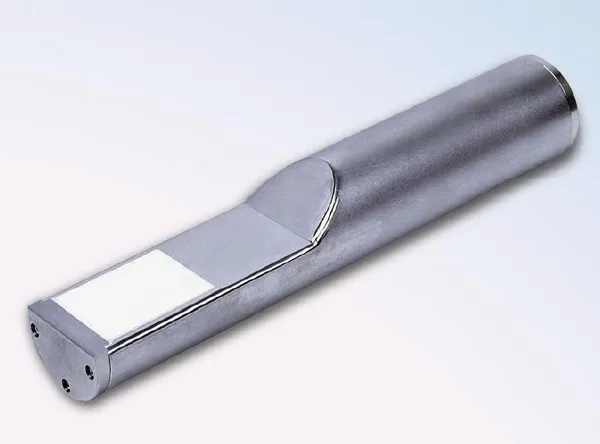
Hydro-Probe
Bins, Silos, Conveyor Belts
Pioneer moisture sensor with ceramic and stainless steel construction built for abrasive aggregate environments. Installed in aggregate bins and under conveyor belt gates — the Hydro-Probe gives Archer a real-time moisture reading before material reaches the weigh hopper. APE handles sensor positioning, installation, and calibration for each aggregate type on the plant.
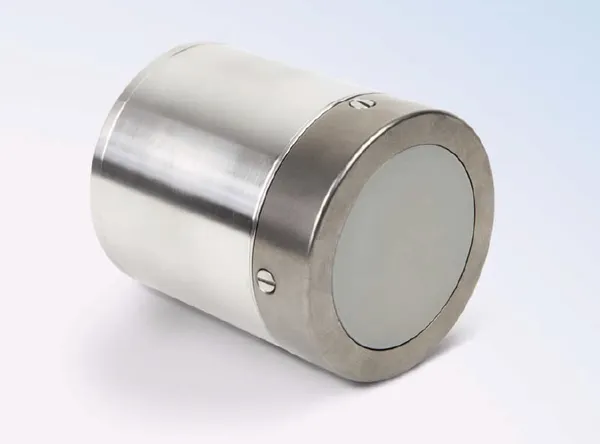
Hydro-Mix
Mixers, Screw Conveyors, Chutes
Flush-mounted sensor for in-mixer moisture monitoring during the mix cycle. Where the Hydro-Probe measures at the bin, the Hydro-Mix confirms final mix moisture and uniformity once materials are combining in the drum. APE installs Hydro-Mix sensors in concrete and precast mixers with calibration tuned to each plant's specific mix designs.
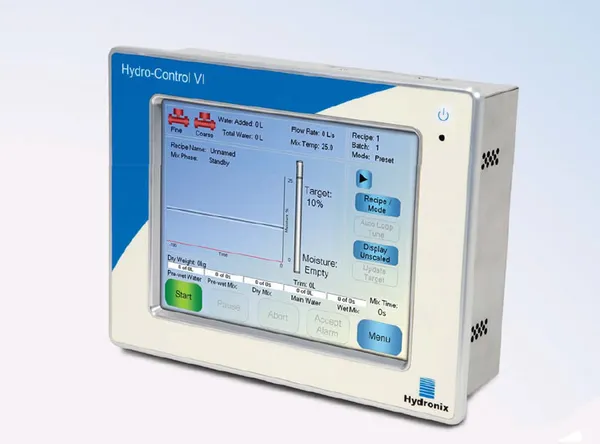
Hydro-Control VI
Standalone Water Control
Touchscreen water control unit that reads moisture sensors and automatically calculates water addition. Operates standalone or integrates with the batch controller for plants where dedicated water control is preferred over direct Archer integration. APE configures AUTO and CALC modes for each recipe and connects the unit to the plant's existing control system.
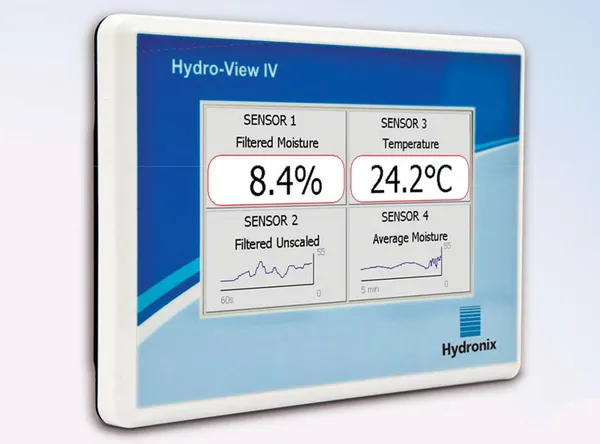
Hydro-View IV
Sensor Display and Calibration
Colour touchscreen display for up to four Hydronix sensors, providing real-time moisture and temperature readings with an intuitive calibration interface. APE uses Hydro-View IV for initial sensor calibration during commissioning and configures it so plant operators can monitor readings and identify drift between scheduled service visits.
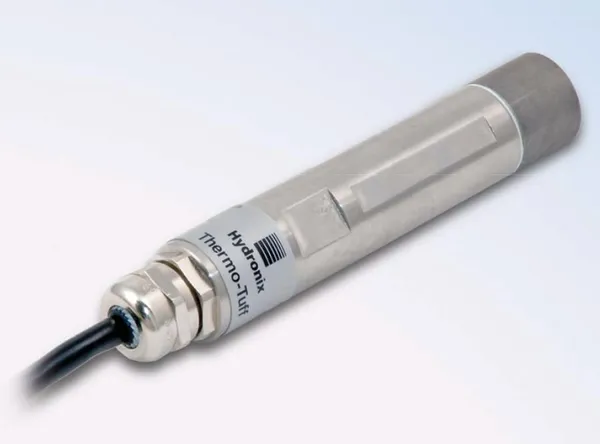
Thermo-Tuff
Mixers, Aggregate Bins
Industrial temperature sensor for concrete and aggregate environments. Concrete temperature directly affects hydration rate and setting time — critical data for quality assurance on hot-weather pours and cold-weather production. APE installs Thermo-Tuff sensors in mixers and aggregate bins with 4-20mA output wired to the batch controller for logging and alarming.
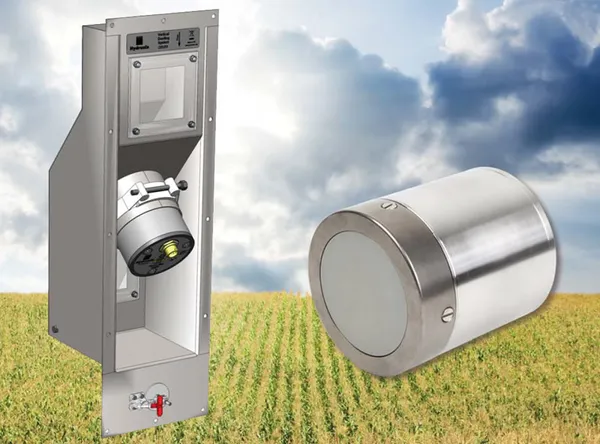
Ducting Systems
Granular Material Flow
Stainless steel ducting manufactured to maintain stable material flow over Hydro-Mix sensors. Used in specialised installations where granular material flow consistency is required for reliable sensor readings. Available for plants with specific installation requirements outside standard mixer or bin mounting.
How APE Integrates Hydronix Sensors
Ordering sensors from a distributor and having them installed by a general electrician produces a different result than what APE delivers. The difference is not the hardware — it is everything that happens around the hardware.
Sensor selection is the first decision point. A Hydro-Probe in a bin neck under an aggregate gate reads differently to a Hydro-Mix flush-mounted in a concrete mixer. Matching the right sensor to the installation point — and positioning it where the material flow is representative of what the batch controller needs to know — requires understanding the batching process, not just the sensor specifications.
Calibration is where most non-specialist installations fall short. Hydronix sensors use microwave moisture measurement — the dielectric response varies with material type, density, and aggregate source. A calibration curve built for crusher dust from one quarry will read incorrectly when aggregate supply changes. APE performs material-specific calibration using Hydro-Com software for each aggregate type on the plant, with documented calibration points that can be revisited when source material changes.
The integration with Archer is where the moisture reading becomes useful. Wiring the RS485 output from a Hydronix sensor into the batch controller so that Archer's moisture compensation is actually active — and configured correctly for each mix design — is the step that converts a sensor from a display number into an automated water correction. APE commissions both sides of that interface: the sensor settings and the Archer moisture input configuration together.
After commissioning, aggregate moisture characteristics change seasonally — particularly in sand stockpiles exposed to weather. Calibration curves that were accurate in summer may read 1-2% high in winter after extended rainfall. APE includes calibration drift review as part of ongoing plant support, checking sensor readings against oven-dry moisture tests during scheduled service visits and updating calibration curves when deviation is detected. This is the ongoing management that ensures moisture compensation keeps working — not just on commissioning day.
Ready to discuss moisture sensing for your plant?
Whether you're upgrading an existing moisture system, adding sensors to a new plant, or troubleshooting calibration drift — APE can help.
Or call us directly: 1300 595 915